Heat Pump Water Heater Rebates: What Can Bay Area Rental Owners Apply For?
A rebate can improve a replacement budget. It can also disappear from that budget when the owner discovers, after installation, that the program was for a different building type or required approval before purchase.
Start with the property and program eligibility, not the advertised incentive amount. Bay Area rental owners should confirm the building type, utility territory, equipment, enrollment steps and funding directly with each program before buying a heat pump water heater.
A rental is not automatically eligible for a homeowner rebate
Program pages use terms such as homeowner, multifamily, income-qualified and existing customer for a reason. The owner of a single-family rental, a small apartment building and a condominium may face different eligibility rules.
Record the service address, utility, number of units, ownership structure and whether the project serves one residence or a shared system. These facts let a program administrator answer a specific question. Asking simply whether landlords qualify often produces a less useful reply.
The same caution applies to a search result that still displays an old offer. Open the program page and check dates. Do not use an expired BayREN homeowner rebate as evidence that a rental project qualifies today.
Where to begin: BayREN’s multifamily program
The Bay Area Multifamily Building Enhancements program, commonly called BAMBE, is a relevant starting point for certain multifamily projects. Its requirements distinguish eligible buildings and systems; it is not a blanket offer for every rental home.
Ask the administrator about the actual unit count, utility service, market-rate or affordable status and whether the proposed system is eligible. Larger buildings and small properties with central systems should not assume the same enrollment path.
Treat this as a current program lead, not an approval. An administrator’s written eligibility response and any reservation conditions belong in the project file.
Ask about the order of operations
Before authorizing equipment, establish whether the program requires a pre-installation assessment, reservation, approved contractor, particular model or application deadline. Missing a required early step can matter more than keeping an otherwise perfect invoice.
Have the contractor separate installation scheduling from incentive approval. A quote can identify a potential rebate, but it should also state whether that amount is confirmed, conditional or merely an estimate.
If equipment has already failed, explain the emergency to the administrator. Do not assume an emergency creates retroactive eligibility or that waiting for a rebate is an acceptable substitute for addressing the loss of hot water.
Keep the budget honest
Show the full installed price first, including supporting electrical or plumbing work, permits and disposal if included. Then list each proposed incentive separately, with its approval state and payment recipient.
Ask whether incentives may be combined. Two attractive offers do not automatically stack, and a contractor discount can have different terms from a rebate paid later to an owner. Tax treatment is a separate question for the owner’s tax adviser.
A project should still have an approval path if a conditional incentive is reduced or unavailable. Otherwise, a supposed saving can become an unresolved funding gap halfway through the job.
| Budget line | What to confirm |
|---|---|
| Full project price | Equipment, labor and supporting work |
| Proposed incentive | Program and exact qualifying conditions |
| Approval state | Reserved, approved or not yet assessed |
| Payment | Recipient, timing and required evidence |
| Contingency | Owner decision if the incentive changes |
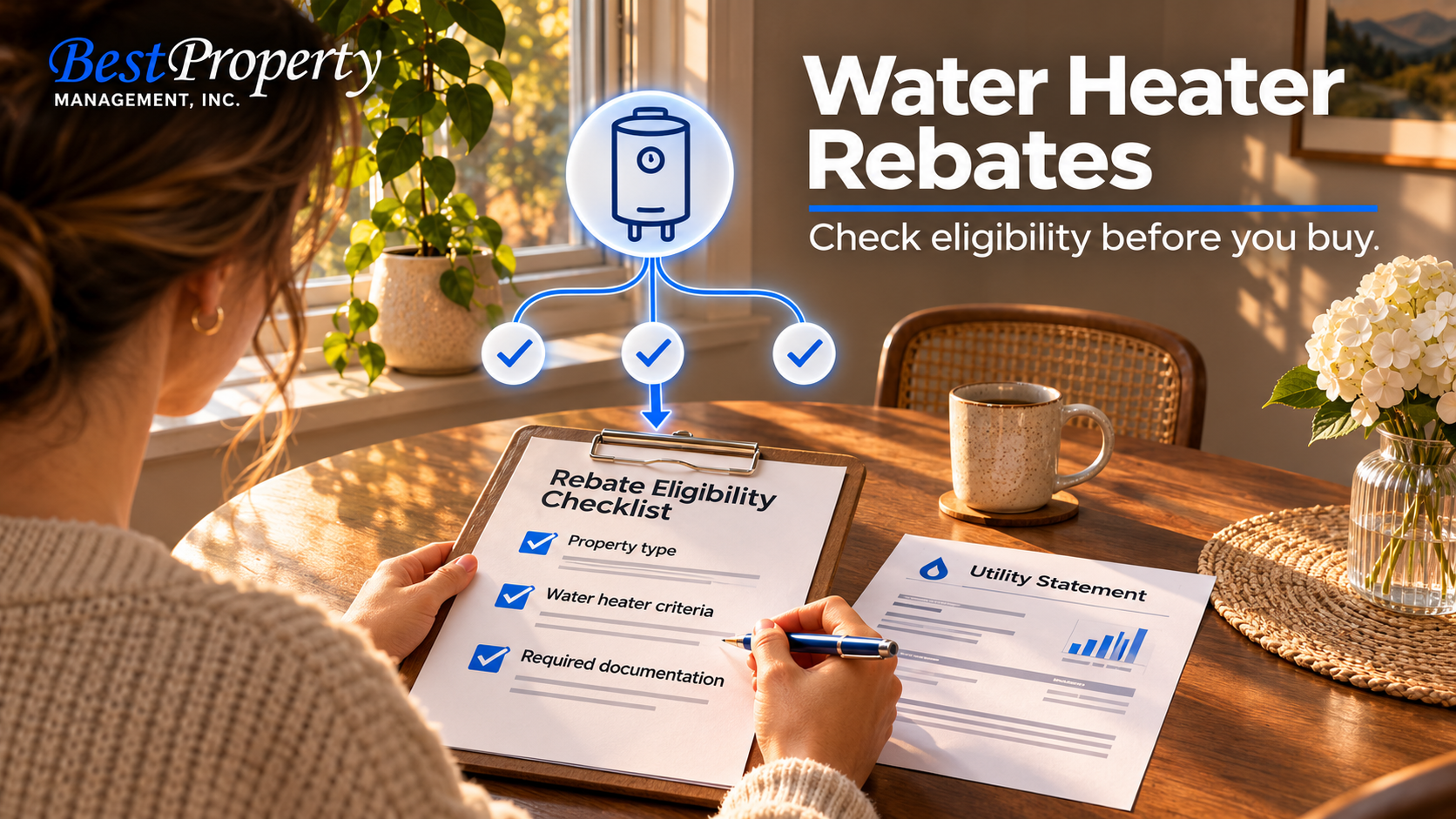
Use a short eligibility worksheet
For each program, keep one record containing the source URL, date checked, administrator contact, building facts, proposed model and written next step. Attach the response rather than relying on a remembered phone conversation.
Mark the decision as eligible, ineligible or awaiting confirmation. An empty field should not quietly become assumed approval. This worksheet is a planning aid, not an official program application.
Recheck the conditions if the equipment model or scope changes. An approved proposal for one installation may not transfer to a substantially different one.
Rebates and compliance answer different questions
The Air District’s building-appliance rules address affected equipment and replacement requirements. A rebate program determines financial assistance. Eligibility for one does not establish compliance with the other.
Have the replacement path confirmed even when no incentive is available. Likewise, a working unit should not be discarded simply because a rebate headline makes an upgrade sound urgent.
Questions owners and tenants ask
Is there one rebate for every Bay Area rental?
No. Eligibility varies by building, utility, equipment, income provisions and current program terms.
Can I install first and apply later?
Only if the specific program allows it. Some programs require prior assessment, enrollment or reservation.
Does a contractor’s estimate guarantee the rebate?
No. Ask whether the incentive is approved and obtain the program’s conditions in writing.
Can multiple incentives be combined?
Possibly, but each program’s combination rules must be checked. Do not add offers together without confirmation.
What if the water heater has already failed?
Address the urgent repair through the authorized process and explain the situation to the program administrator. Emergency circumstances do not guarantee retroactive eligibility.
What documents should the owner retain?
Keep eligibility correspondence, reservation or approval, equipment details, invoices and required completion or inspection records.
Explore this article series
Bay Area Water Heater Rules: What Changed in November 2026 for Rental Owners?
Is Your Rental Ready for a Heat Pump Water Heater? 7 Things to Check
Water Heater Replacement in a Rental: What Happens When Hot Water Stops?
Condo Water Heater Replacement: Who Needs to Approve the Work?
Related articles
Understanding rental income and owner distributions
Preventive maintenance planning for Brentwood rentals
Talk with your local Best Property team
Bring your building details and proposed scope to the planning conversation. Your local team can help organize the property records and contractor questions before you commit to a replacement. Find your local office.
Research checked November 12, 2026. Program leads are not funding commitments. Confirm current eligibility, reservation requirements and availability directly with the administrator before purchase. AI-assisted editorial illustration; no actual tenant, client event or property is depicted.
Blog
Company News
Landlord Resources
Landlords
Legal
Linkedin
Local Market Insights
Maintenance & Repairs
Market
Owners
Property
Property Law & Compliance
Property Management
Rental Property
Tenants
Video
FILTER BY EASTBAY & TRI-VALLEY CITIES
AB 1482
AI Property Management
AI Rental Fraud
Antioch Property Management
Applicant Data Security
Applicant Information
Applicant Screening
Applicant Verification
Bank Statement Fraud
Battery Recalls
Brentwood
Brentwood property management
California Insurance
California Landlord Laws
California Property Management
California Rent Increase
Central Valley Property Management
Concord Property Management
Credit Reports
Danville Property Management
Danville rentals
Desert Hot Springs Property Management
Desert Property Maintenance
Desert Rentals
Document Fraud
Dublin property management
E-Bike Safety
East Bay Landlords
East Bay Lease Renewals
East Bay property management
East Bay Rental Market
East Bay Rental Owners
East Bay Rental Property Maintenance
East Bay Rental Property Management
East Bay rental tips
East Bay Rentals
EV Charging
Eviction Notices
Eviction Support
Fair Housing
Fake Pay Stubs
Fall Leasing
find a property manager
Fremont
Fremont property management
full service property management
Full-Service Property Management
Good Tenants
Hayward Property Management
Hayward rentals
Heat Pump Water Heaters
hiring a property manager
HOA Compliance
HOA Rental Management
HOA Rentals
Home Insurance Costs
Human Oversight
Identity Verification
Income Verification
Indian Wells Property Management
Inherited Rental Property
Landlord Compliance
Landlord Data Security
Landlord Insurance
Landlord Resources
Landlord Tips
Lease Renewal Strategy
Lease Renewals
Leasing Fees
Leasing Services
Livermore
Livermore property management
Livermore Rentals
Local Development
Local Market Insights
Local Rental Support
Long-Term Rentals
Luxury Rentals
maintenance coordination
Maintenance Response
Management Services
Manteca Property Management
Milpitas Property Management
Mountain House Property Management
New Housing San Ramon
Newark CA Property Management
Oakley Property Management
Online Rent Payments
Owner Onboarding
owner reporting
Palm Desert Property Management
Palm Springs Area Property Management
Palm Springs Property Management
Palm Springs Rentals
Pittsburg CA Property Management
Pleasanton property management
Pleasanton rentals
Preventive Maintenance
Property Inspections
Property Maintenance
Property Management
Property Management Companies
Property Management Fees
Property Management Services
Property Management Transition
Property Manager
Rancho Mirage Property Management
Real Estate
real estate investing
Redfin Rentals
Remote Property Management
Rent Collection
Rent Control
Rent Reporting
Rent Trends
Rental Application Fraud
Rental Application Privacy
Rental Competition
Rental Fee Transparency
Rental Fees
Rental Fraud
Rental History
Rental Inspections
Rental Internet
rental leasing
Rental Market Analysis
Rental Market Trends
Rental Marketing
Rental Pricing
Rental Property
Rental Property Expenses
Rental Property Maintenance
rental property owners
rental property ROI
Renter Choice
Renter Experience
Repair Coordination
Resident Portal
Residential Leasing
Roommate Management
San Lorenzo Property Management
San Ramon Landlords
San Ramon Orchards
San Ramon property management
San Ramon Rental Market
Screening Red Flags
Seasonal Rentals
Security Deposits
Sell or Rent
Silicon Valley Rentals
single family rentals
Single-Family Rentals
Tenant Background Checks
Tenant Communication
Tenant Complaints
Tenant Expectations
Tenant Issues
Tenant Placement
Tenant Protection Act
Tenant Retention
tenant screening
Tenant Screening Data Security
Tenant Screening Fraud
Tenant Screening Red Flags
Tenant Turnover
Tracy Property Management
Tri-Valley
Tri-Valley Housing Market
Tri-Valley property management
Tri-Valley Rentals
Union City Property Management
Vacation Rental Management
Wildfire Risk
Winter Rental Safety
Zillow Rentals
 FILTER
 SEARCH BLOG